Language
from Diary
I realized the language we speak greatly shapes who we are.
I like to imagine it as if we were a universe, full of celestial beings that interact with each other in complex ways. When we feel, it's like witnessing a miracle, difficult to translate the experience into words.
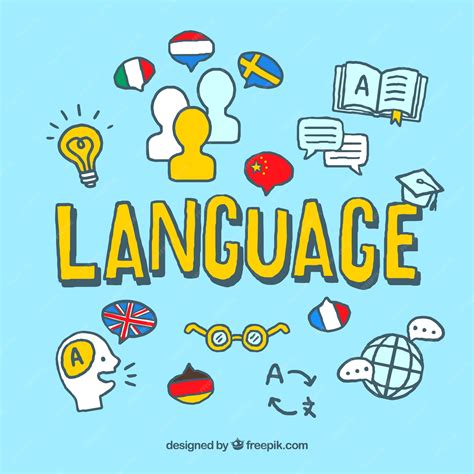
The language gives you a concept, it comes ready-made: this is joy, this is sadness, this is fear, this is [anything]. It's very convenient to use something ready-made instead of spending energy trying to understand oneself, so nobody complains. But these concepts are not just “ready-made,” closed boxes, they are also a standard.
If everyone uses the same concept, individuality ends. What your feelings mean is standardized because the person doesn't even remember to think about what they really feel, they just accept the mold that was given to them.
I don't understand Chinese, but when I thought about it, I became curious to understand how Chinese ideograms were formed. I discovered something very beautiful. Although nowadays the simplified meaning is used, each ideogram carries a story. These aren't simple concepts like words in English; everything that Chinese culture is or has been is engraved in ideograms, not only as words, but also as images, metaphors, points of view, even poems, many connecting to others as if they were a family tree, not only of what was being thought, but of how it was being thought and why it is or was important to think that way. It's the kind of thing that's valuable.
On the other hand, we have English, which is a hyper-simplification, often even gender gets lost in the middle of sentences, it's no longer important. Based on this, I wonder what things our language also prevents us from thinking about, from feel, and that we fail to perceive.
I can only imagine what would be possible and where humanity would be if society were based on genuine collaboration and not on fighting to win.
Lainhatsuni